5 Jun 2026
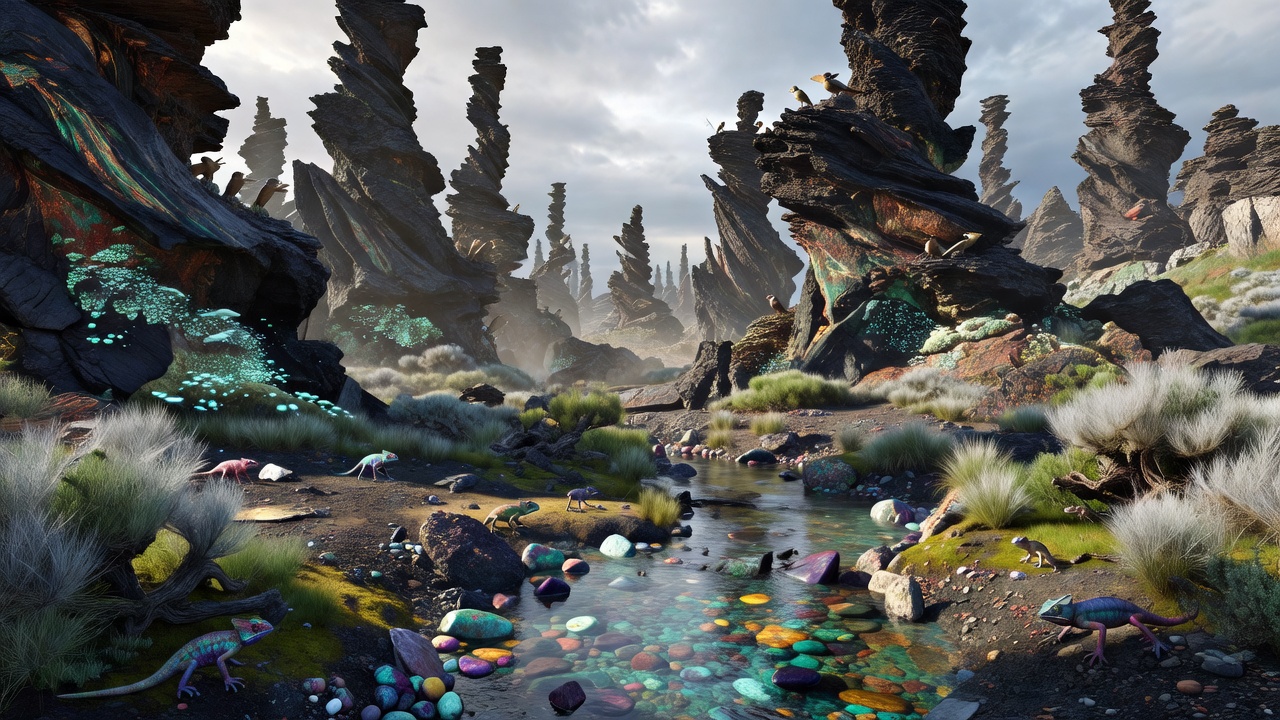
Terospire offers a distinctive environment shaped by unique geological features and diverse ecosystems. Visitors benefit from understanding key elements to observe for a safe and rewarding experience. Preparation includes awareness of natural patterns, local species, and terrain variations that define the area.
Local Wildlife Patterns
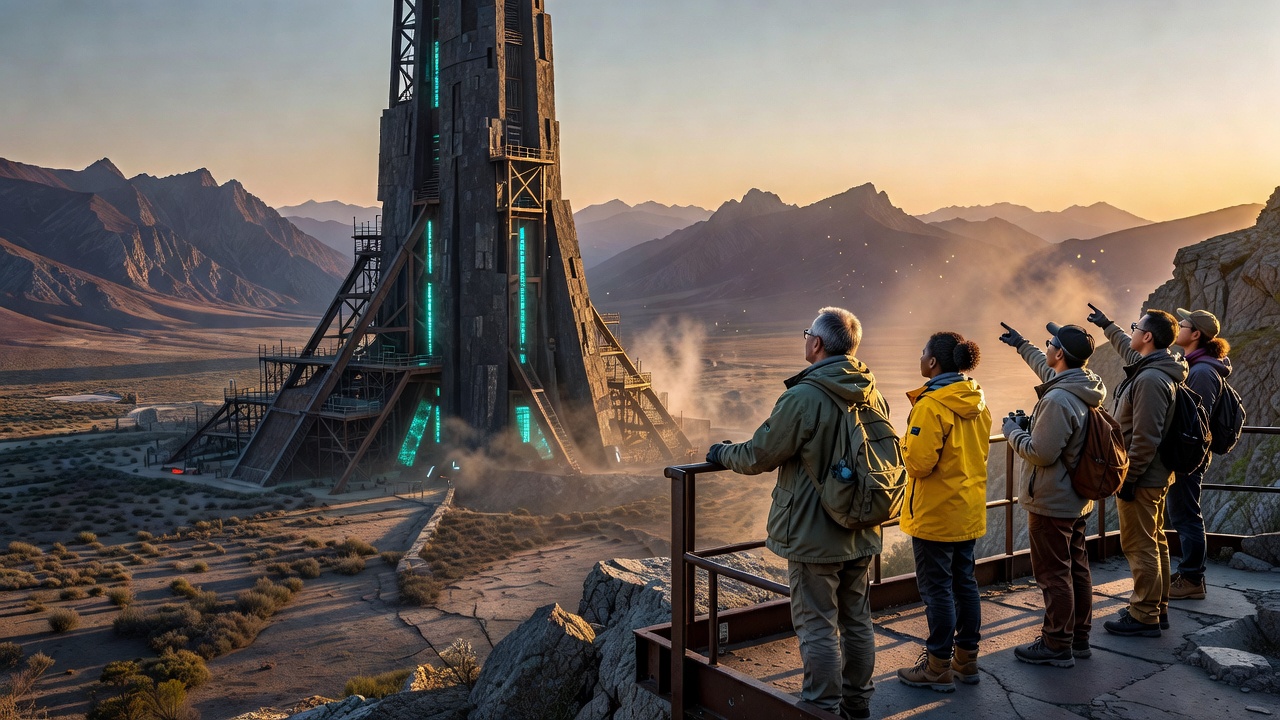
Terospire supports several endemic species adapted to its specific conditions. Observers should note bird migration routes active during dawn and dusk hours. Small mammals often appear near water sources in early morning. Reptiles favor sun-exposed rocks during midday. Maintaining distance prevents disturbance to natural behaviors and reduces risk of encounters. Binoculars aid identification without close approach. Seasonal shifts influence activity levels, with higher visibility in milder months.
Terrain and Navigation Cues
The landscape features layered rock formations and gradual elevation changes. Trails wind through valleys with intermittent streams that can swell after rainfall. Markers along paths indicate stable ground versus loose scree areas. Compass use combined with map study helps track position in low-visibility conditions. Vegetation density increases near sheltered slopes, providing natural windbreaks. Footwear with good traction supports movement across mixed surfaces of soil and stone.
Weather and Seasonal Indicators
Terospire experiences rapid temperature drops at higher elevations, even in warmer seasons. Cloud formation over ridges often precedes precipitation within hours. Wind direction shifts signal incoming fronts from coastal influences. Layered clothing allows adjustment to daily fluctuations. Daylight hours shorten noticeably in transitional periods, affecting planning for longer routes. Monitoring these signs supports informed decisions on timing and route selection for extended outings.